Waterfront homes in La Conner can be incredibly appealing, but they also ask you to look beyond the view. If you are dreaming about life near the Swinomish Channel, Sullivan Slough, or Skagit Bay, you need more than excitement about the setting. You need a clear understanding of tides, flood risk, shoreline rules, and ongoing upkeep so you can buy with confidence. Let’s dive in.
Why La Conner waterfront ownership is different
La Conner’s setting shapes the ownership experience in a very real way. The town’s climate planning places the community between the Swinomish Channel, Sullivan Slough, and Skagit Bay, and notes that much of La Conner is at or near sea level. It also identifies seasonal flooding from both river and marine waters.
For you as a buyer, that means a waterfront home here is not just about scenery. It is also about how water moves around the site, how the lot handles runoff, and how the home relates to changing elevations over time.
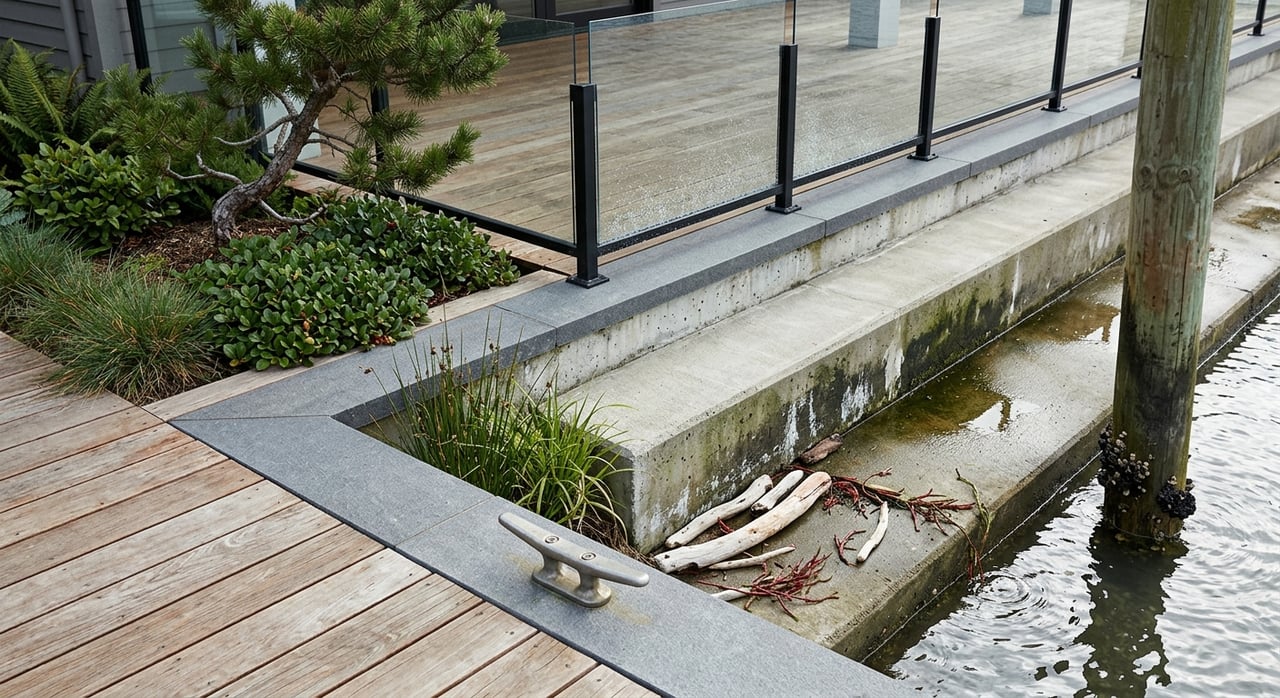
NOAA data from the La Conner tide station at Swinomish Slough shows a mean tide range of 6.73 feet and a mean higher-high water level of 10.35 feet above MLLW. In practical terms, your shoreline experience can change a lot throughout the day. A dock, float, or landing that feels easy to use at one tide may feel very different at another.
That is why it helps to evaluate a property at the site level, not just at the house level. You want to understand what access, drainage, and shoreline conditions look like in real life, not only in listing photos.
Start with the lot, not the finishes
It is easy to focus on windows, decks, and interior updates. With La Conner waterfront property, the smarter first step is to study the lot itself.
Washington’s Shoreline Management Act applies to marine waters and shorelands extending 200 feet landward, along with connected wetlands and deltas. That means even a property that feels “near the water” may still fall under shoreline rules. If you are considering changes to access, landscaping, stabilization, or structures, that matters early.
Before you get attached to a view, take time to look at the practical side of the property. Ask how the site behaves during high tides, heavy rain, and storm events. A beautiful setting is still important, but long-term satisfaction often comes from understanding the site conditions up front.
Understand moorage and water access options
Not every waterfront home in La Conner comes with private docking. That is one of the most important assumptions to test before you write an offer.
The Town of La Conner offers public moorage at the Benton, Calhoun, and Washington Street end floats. Short-term visitor moorage is available on a first-come basis at $0.75 per foot per day, with no reservations. That can be convenient for downtown access, but it is not the same as owning or controlling private moorage.
The Port of Skagit’s La Conner Marina is another major local option. It includes 366 covered slips, 131 uncovered slips, and about 2,400 linear feet of guest moorage, with a 14-day guest stay limit at the visitor docks. The marina also provides practical amenities like fuel, pump-out, showers, restrooms, water, power, and year-round operation.
For some buyers, nearby marina access can be a better fit than trying to create private moorage on a site that may not support it well. That can simplify ownership and reduce some of the permitting and maintenance concerns tied to shoreline improvements.
Private, shared, or public access
When you are comparing homes, it helps to separate water access into three basic categories:
- Private moorage means the property has its own dock, buoy, lift, or related setup
- Shared moorage means access is tied to a community or common arrangement
- Public or marina moorage means your boating access depends on nearby facilities rather than the property itself
Each option comes with different levels of cost, convenience, control, and ongoing responsibility. The right fit depends on how you plan to use the property.
Check permits before assuming use
If a property includes a buoy or other structure on state-owned aquatic lands, Washington DNR says authorization is required, along with any other permits that apply to the location and use. DNR also notes that some residential landowners whose property abuts state-owned aquatic lands may use a recreational mooring buoy without charge if it is properly registered and meets applicable rules.
The practical takeaway is simple. If a home’s appeal depends on water access, do not wait until after closing to verify what is actually allowed.
You should confirm whether any dock, buoy, float, lift, or shoreline structure is permitted, functional, and maintained. A feature that looks like a major value-add can become a major project if the paperwork or condition does not match expectations.
Plan for maintenance beyond the house
Waterfront ownership in La Conner includes much more than caring for the home itself. The site often needs just as much attention as the structure.
La Conner’s shoreline rules strongly prefer natural shoreline solutions such as vegetative stabilization, berms, and beach enhancement over hard armoring like bulkheads or revetments. The town also states that new residential lots should not be created in ways that require shoreline protection structures, and existing lots should be sited so that those structures are not needed.
That is an important clue for buyers. If a property’s future value depends on major bulkhead work or aggressive shoreline intervention, you may be looking at a more complex ownership picture than the listing suggests.
The town also requires adequate utilities, drainage, and transportation access for residential proposals, along with storm drainage planning to prevent uncontrolled runoff from entering receiving waters. In plain language, the way a site handles water matters a lot here.
A smart buyer maintenance checklist
As you evaluate a home, ask questions like these:
- Who maintains the dock, float, bulkhead, or shoreline planting?
- How often has shoreline or drainage work been done?
- Are runoff and stormwater directed away from the structure?
- Was any shoreline stabilization designed as a short-term fix or a long-term solution?
- Does the property rely on private moorage, shared moorage, or nearby public access?
These questions can help you understand whether a property has been thoughtfully maintained or simply patched over time.
Budget for ongoing ownership costs
The cost of a waterfront home is not limited to the purchase price and mortgage. In La Conner, the operating side of ownership deserves attention too.
The town says most of La Conner is served by sewer, and its sewer and wastewater facilities also serve the Port of Skagit County and the Hope Island area. It also states that water comes from the Skagit River through the Anacortes water treatment plant. In addition, a charge is imposed on each water meter to help operate the town’s storm and surface water drainage program.
Those details matter because they shape your monthly and long-term carrying costs. A home with strong water access and shoreline exposure may also come with higher upkeep expectations, utility-related costs, and periodic site work over time.
A practical waterfront purchase should leave room in your budget for maintenance reserves. That mindset can help you avoid surprises after closing.
Flood insurance deserves early attention
Flood risk is one of the most important parts of buying waterfront property in La Conner. It is also one of the easiest things to underestimate if you focus only on the home itself.
The Washington state insurance commissioner says ordinary home, renter, and commercial policies usually do not cover flood damage. That means a separate flood insurance conversation is often part of the process for waterfront buyers.
Flood insurance timing also matters. FEMA states that NFIP coverage generally has a 30-day waiting period, though some mortgage-related situations may be treated differently. FloodSmart also notes that while elevation certificates are not required to buy flood insurance, they can help reduce premiums.
For you, the key step is to start insurance research early. Do not assume the quote will be simple, quick, or interchangeable from one parcel to the next.
Review maps, history, and elevation carefully
La Conner maintains Flood Insurance Rate Maps, flood awareness information, a flood evacuation route, and a flood emergency response plan. That is a good reminder that flood review should be parcel-specific.
You should look into the exact property’s flood map status, any available history of water intrusion or past claims, and any elevation documents tied to the site. General impressions like “it seems a little elevated” or “it’s not right on open water” are not enough.
The town’s flood mitigation work plan also notes that elevation data can be confusing because documents may use different datums, including MLLW, NAVD88, and NGVD47. If you are comparing surveys, elevation certificates, or flood-related records, make sure the numbers are being measured on the same basis.
That one detail can save you from misunderstanding the actual risk profile of a property.
Questions to ask before making an offer
A waterfront home can be a great lifestyle purchase, but it pays to slow down and verify the details. Before writing an offer, consider asking:
- Is the property directly on the channel, on a slough, on the bay, or simply near water?
- Is the lot within shoreline jurisdiction, a floodplain overlay, or a mapped flood zone?
- Does the home have a dock, buoy, lift, or other water structure, and is it permitted?
- Is moorage private, shared, or dependent on marina or public access?
- What documented flood or water intrusion history exists for the home and site?
- What flood insurance quote is available for this exact address?
- Are there ongoing drainage, erosion-control, or shoreline stabilization costs after closing?
These are not small details. In La Conner, they are central to making a smart purchase.
The bottom line on La Conner waterfront homes
Owning a waterfront home in La Conner can offer a special connection to the water, boating access, and a setting that feels distinctly coastal and local. At the same time, the town’s planning and shoreline framework makes it clear that waterfront ownership here comes with real site-specific complexity.
If you are seriously considering a purchase, the best approach is to verify access, verify flood risk, verify permits, and price the long-term upkeep before you commit. That kind of preparation gives you a better chance of choosing a home that fits both your lifestyle and your comfort level.
If you want practical guidance as you compare waterfront opportunities in La Conner and across Skagit County, Taby Perron can help you look beyond the view and make a well-informed move.
FAQs
What makes waterfront ownership in La Conner different from other homes?
- La Conner sits between the Swinomish Channel, Sullivan Slough, and Skagit Bay, and much of the town is at or near sea level, so tides, flooding, drainage, and shoreline rules play a bigger role in ownership.
What should buyers know about tides at La Conner waterfront properties?
- NOAA data for La Conner shows a mean tide range of 6.73 feet, which means access and shoreline conditions can change noticeably throughout the day.
What waterfront moorage options are available in La Conner?
- Buyers may find private moorage, shared moorage, public end-float moorage through the town, or marina-based access through La Conner Marina, depending on the property.
What should buyers verify about docks and buoys in La Conner?
- Buyers should confirm that any dock, buoy, lift, or other water-related structure is permitted, allowed for its location, and properly maintained.
What maintenance issues matter most for La Conner waterfront homes?
- The biggest site concerns often include shoreline stabilization, drainage, erosion control, stormwater handling, and the condition and upkeep of any water-access features.
What should buyers know about flood insurance for La Conner waterfront homes?
- Standard homeowners insurance usually does not cover flood damage, so buyers should get a flood insurance quote early and review flood map status, elevation information, and lender requirements for the specific property.