If you own a cottage or bungalow in La Conner, you may be wondering how much you really need to do before putting it on the market. In a small market where buyers can compare listings quickly online, charm alone is not always enough. The good news is that you do not need to strip away what makes your home special. You need a smart plan that highlights character, addresses likely concerns, and helps buyers feel confident from the start. Let’s dive in.
Why preparation matters in La Conner
La Conner remains a selective market with limited inventory. Redfin reported a median sale price of $705,000 over the last three months, with homes averaging 25 days on market, while Zillow showed 28 homes for sale as of May 31, 2026. At the county level, NWMLS noted Skagit County inventory at 3.05 months for residential homes and 3.17 months overall in January 2026, which is still below what it considers a balanced market.
That sounds encouraging for sellers, but it does not mean every home will get the same response. In a market with fewer listings, buyers often notice differences even faster. They are comparing condition, presentation, and signs of care before they ever schedule a showing.
That is especially true for cottages and bungalows. These homes often win people over with warmth, scale, built-ins, wood floors, trim details, and cozy layouts. Still, buyers also want to see that the home has been maintained and prepared thoughtfully.
Focus on what today’s buyers notice first
Most buyers begin online, and the first impression happens on a screen. NAR reports that buyers and agents place high importance on listing photos, and 81% of agents say photos are the most important factor buyers use when evaluating properties.
That means your home needs to read clearly and positively in photos. Rooms should feel bright, open, and easy to understand. Exterior shots should show a cared-for property, not one that raises questions about deferred maintenance.
For many La Conner sellers, this is the shift that matters most. You are not preparing your home only for an in-person tour. You are preparing it for a fast visual comparison against every other listing a buyer has open that day.
Protect the character buyers want
The goal is not to make a cottage or bungalow look generic. Buyers drawn to these homes often appreciate original details and a sense of place. Features like hardwood floors, built-ins, vintage trim, and fireplaces can help your home stand out when they are visible and well presented.
What tends to get in the way is not character. It is clutter, oversized furniture, crowded shelves, heavy window treatments, and too many personal items competing for attention. When that happens, buyers see less of the home and more of the stuff in it.
A cleaner, edited presentation usually works better than a full style overhaul. Keep the details that support the home’s identity, then remove whatever makes the rooms feel smaller, darker, or busier than they need to be.
Start with repairs that can stall a sale
Before you worry about staging, take a hard look at the basics. A buyer may fall in love with charm, but a sale can still slow down over safety issues, moisture concerns, or missing paperwork.
In La Conner’s marine setting, moisture control matters. With average annual precipitation around 36.1 inches in nearby climate data, buyers are likely to notice peeling paint, soft trim, mildew, roof wear, drainage issues, or crawlspace dampness quickly.
For older cottages and bungalows, pay special attention to:
- Roof wear or missing shingles
- Peeling or failing exterior paint
- Soft wood trim or siding
- Musty odors or visible mildew
- Drainage problems near the foundation
- Damp crawlspaces or signs of standing water
- Loose railings, steps, or other safety concerns
These are not always expensive fixes, but they can affect buyer confidence right away. A home that feels dry, solid, and cared for tends to show better and create fewer questions.
Handle septic, lead, and disclosure items early
Some of the most important prep work is administrative, not cosmetic. Taking care of required items early can reduce stress later and help you avoid delays once your home is under contract.
Skagit County requires an on-site sewage inspection before property transfer. The seller is responsible for having that inspection completed, and the report must be dated within six months of closing.
If your home was built before 1978, federal lead-disclosure rules generally apply. That includes disclosure of known lead hazards and delivery of the lead pamphlet. Washington’s residential seller disclosure statement is governed by RCW 64.06, so it is important to prepare complete, accurate information from the outset.
This is where early planning pays off. If you wait until the last minute to gather records or schedule inspections, your timeline can tighten fast.
Check permit and planning questions before exterior work
If your cottage or bungalow needs exterior updates, do not assume you can start work immediately. The Town of La Conner says owners should contact Planning first, especially if the property is in the Historic Preservation District.
The Town’s planning process matters for historic design, shoreline, and critical-area applications. Its building-permit packet also notes that applications requiring a permit must go through land-use review and Town approval before Skagit County plan review and permit issuance.
In plain terms, incomplete or late planning questions can delay your prep schedule. If your home is near the channel, in a flood-prone area, or within the Historic Preservation District, build in extra time before listing.
Use a practical prep sequence
The order of operations matters. Sellers often want to jump straight to paint colors or staging accessories, but the smoothest results usually come from solving the right issues in the right order.
A practical sequence looks like this:
- Walk through the home and note safety, maintenance, and system issues.
- Address septic, lead, disclosure, permit, floodplain, or planning questions.
- Complete key repairs and touch-ups.
- Clean, declutter, and remove extra furniture or stored items.
- Freshen landscaping and improve curb appeal.
- Stage the home for photos and showings.
- Photograph and launch the listing.
This sequence helps you avoid doing work twice. It also supports better marketing because the home is fully ready when the photos are taken.
Stage the rooms that matter most
Staging does not have to mean furnishing every inch of the house. NAR’s 2025 staging report found that the living room was the most important room to stage for buyers, followed by the primary bedroom and kitchen.
The same report found that 49% of sellers’ agents saw staging reduce time on market, and 29% saw a 1% to 10% increase in the dollar value offered. That does not mean every home needs an elaborate redesign. It does mean that focused presentation can make a measurable difference.
For a La Conner cottage or bungalow, start here:
Stage the living room
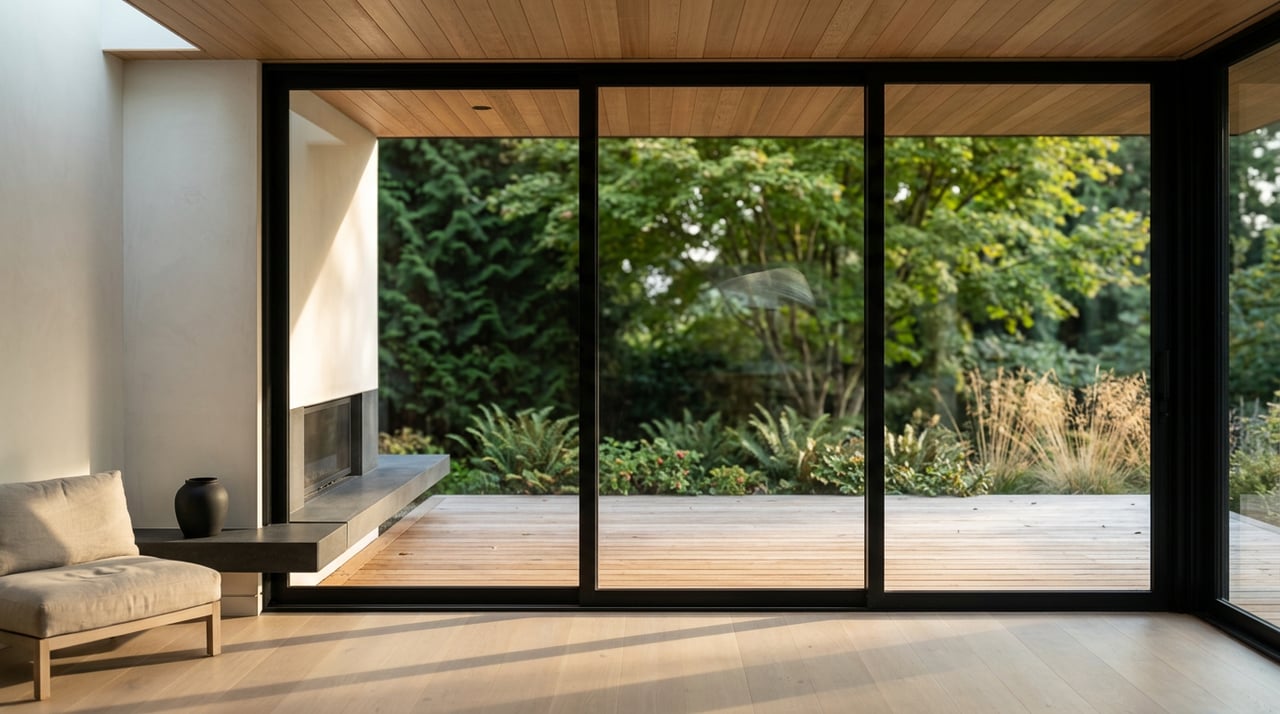
This is often where character shows up best. Clear out bulky furniture, create an easy conversation layout, and let fireplaces, windows, or built-ins stand out.
Simplify the primary bedroom
Buyers respond to bedrooms that feel calm and spacious. Keep bedding simple, reduce extra furniture, and remove personal items so the room feels restful and easy to picture.
Refresh the kitchen
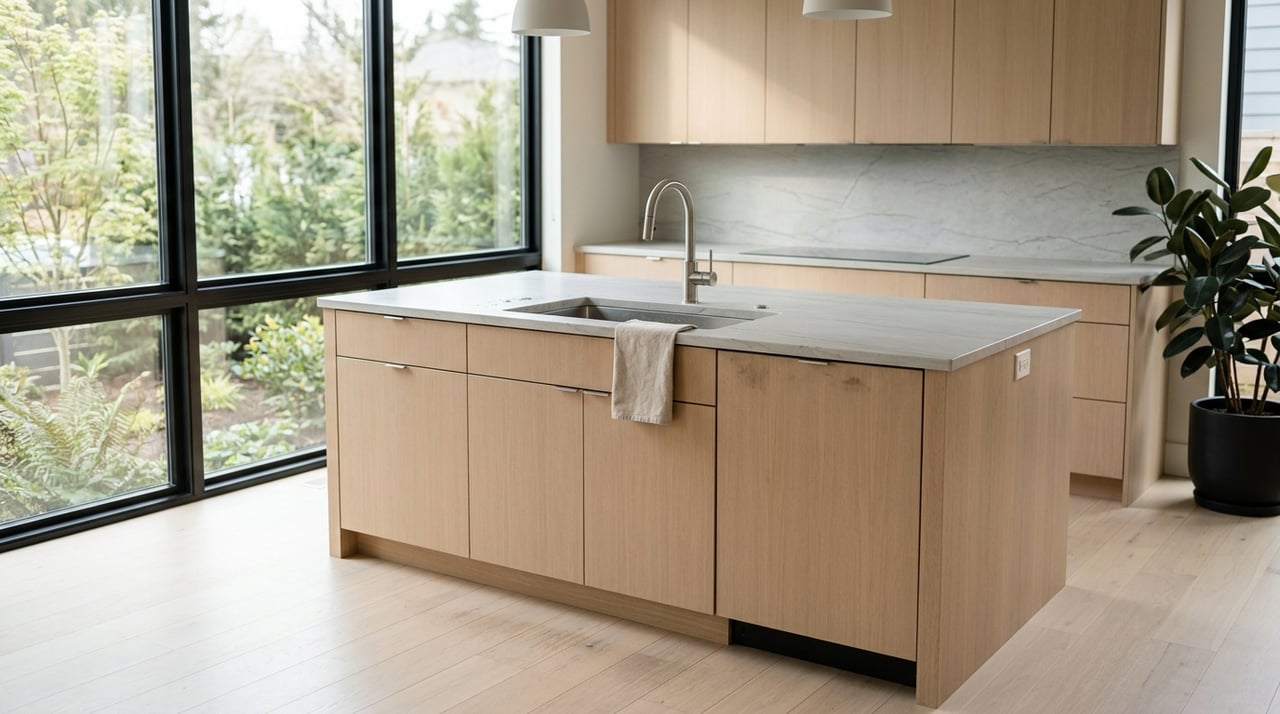
You do not always need a full remodel to improve a kitchen’s appeal. Clear the counters, remove magnets and papers, clean every surface, and make sure lighting is bright and functional.
Clean and declutter more than you think
According to NAR, the most common improvement recommendations from agents were decluttering, deep cleaning, and improving curb appeal. That lines up well with what helps older homes show their best.
Decluttering is not about making your home feel empty. It is about making space for buyers to notice the layout, the light, and the details that make the home memorable.
If you have lived in your home for many years, this step can feel overwhelming. It often helps to work in layers, starting with surfaces, then closets, then storage spaces, then furniture editing.
Do not overlook curb appeal
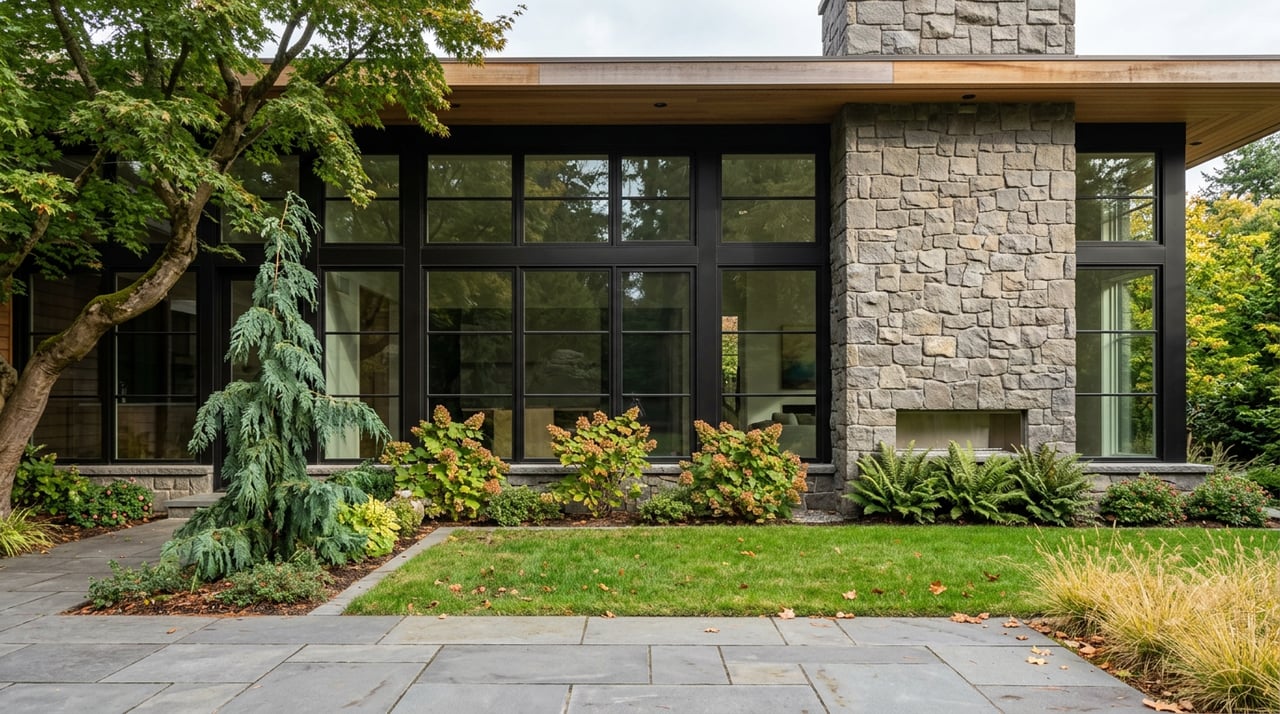
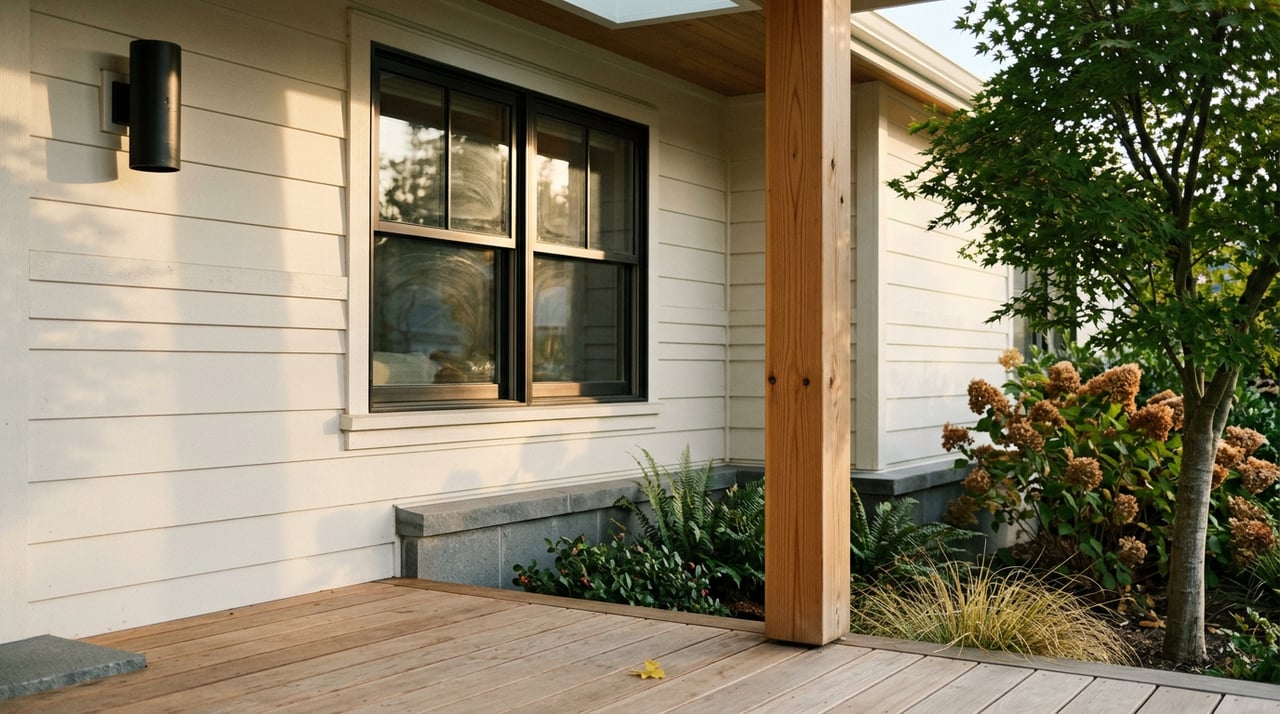
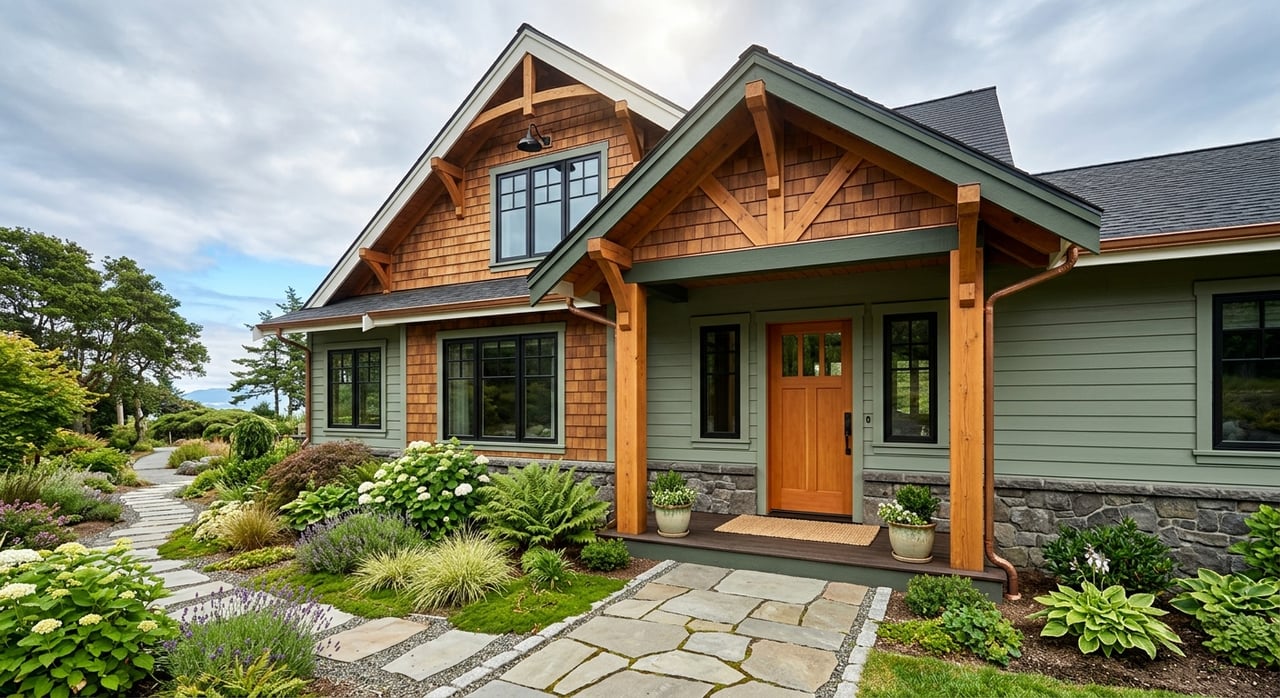
For a cottage or bungalow, the exterior sets the tone before buyers even step inside. A tidy entry, trimmed landscaping, fresh mulch, clean walkways, and visible house numbers can make a strong first impression.
In La Conner, buyers may also pay close attention to drainage and exterior wear. Even small improvements like clearing gutters, washing down siding, and replacing damaged trim can help the property feel better maintained.
You do not need a dramatic transformation. You need the home to look cared for, accessible, and ready for the next owner.
Match the marketing to the preparation
Once the home is ready, the marketing should reflect that work. High-quality photography is essential, and video or virtual tours may also help buyers understand the home before visiting in person.
This is where thoughtful prep creates momentum. When rooms are edited well, light is managed properly, and character features are visible, the listing can tell a clearer story.
That story matters in a small market. Buyers want to feel that a charming older home also comes with organization, care, and realistic expectations.
Charm sells best with evidence of care
A La Conner cottage or bungalow does not need to be perfect to attract strong interest. It does need to feel honest, polished, and well prepared.
The best results often come from pairing character with clear documentation, visible maintenance, thoughtful staging, and polished photography. That combination helps buyers connect emotionally while also feeling practical confidence.
If you are getting ready to sell and want a calm, step-by-step plan for what to do first, what to skip, and how to prepare your home for today’s buyers, Taby Perron can help you build a strategy that fits your property, timing, and goals.
FAQs
What should sellers fix first in a La Conner cottage or bungalow?
- Start with safety, moisture, drainage, roof, crawlspace, and exterior maintenance issues, since those concerns can affect buyer confidence and slow a sale.
Does a La Conner seller need a septic inspection before closing?
- Yes. Skagit County requires an on-site sewage inspection before property transfer, and the report must be dated within six months of closing.
Should sellers contact La Conner Planning before exterior updates?
- Yes. The Town says owners should check with Planning first, especially for homes in the Historic Preservation District or properties with shoreline, floodplain, or critical-area considerations.
What rooms matter most when staging a cottage or bungalow for sale?
- NAR’s 2025 staging report found the living room was most important to buyers, followed by the primary bedroom and kitchen.
How important are listing photos for La Conner home sales?
- Very important. NAR reports that photos are one of the top tools buyers use to evaluate properties online, and many buyers decide whether to visit a home based on the listing presentation.
How can sellers keep bungalow character without making the home feel dated?
- Keep original features like built-ins, trim, hardwoods, or fireplaces visible, then remove bulky furniture, excess decor, and heavy window treatments that make spaces feel crowded or dark.