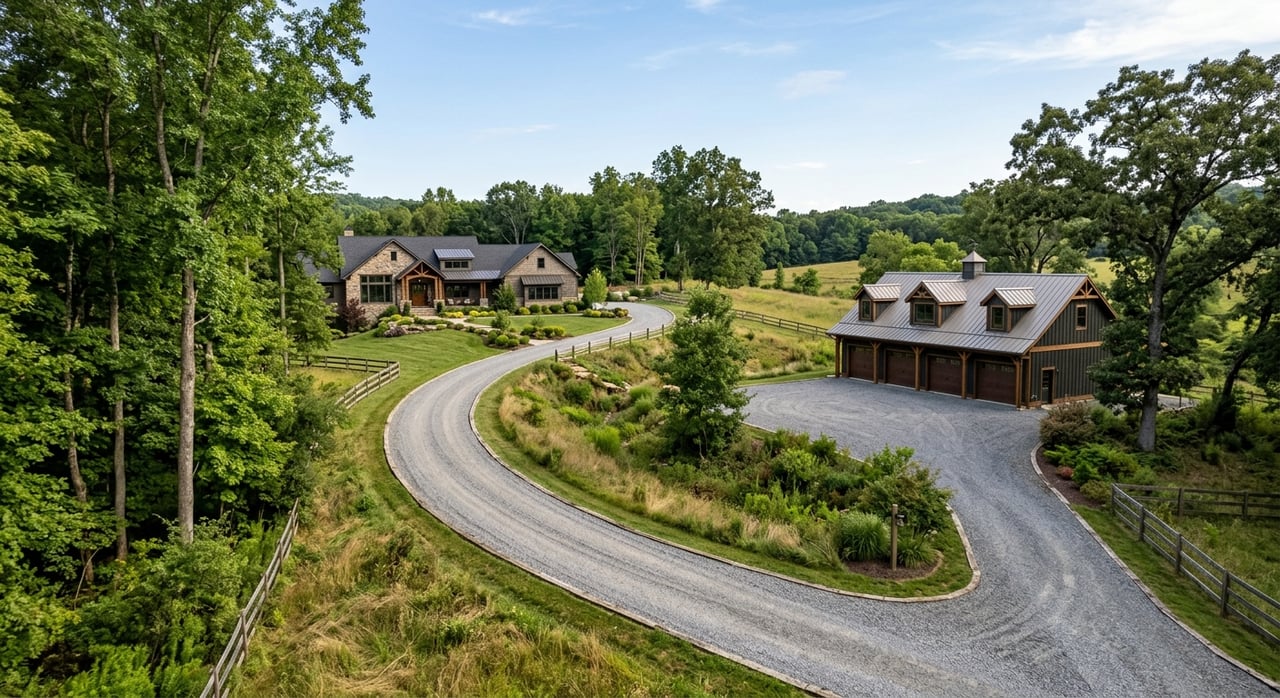
Thinking about buying a few acres in Bow or Edison? It can be an exciting move, but small acreage often comes with more questions than a typical in-town purchase. If you want a property that truly fits your plans, you need to look beyond the view and dig into zoning, water, septic, access, and permit history before you commit. Let’s dive in.
Why small acreage needs extra diligence
In Bow and Edison, the biggest risks are often tied to the exact parcel, not the broader area. Two properties that look similar on the surface can come with very different rules, costs, and limitations.
That is especially true in unincorporated Skagit County, where land-use and zoning designations apply parcel by parcel. County parcel maps are helpful reference tools, but Skagit County notes they are approximate and should not be treated as surveys or legal boundary documents.
Check zoning before you fall in love
Zoning is one of the first things to verify because it affects what you can build, how a property can be used, and where structures may be placed. Skagit County uses Titles 14 and 15 for land-use and building rules, and those rules can shape everything from homesites to outbuildings.
For small-acreage buyers, this matters because one parcel may allow a more straightforward residential setup while another may have tighter restrictions. A property that looks perfect for a home, shop, garden, or hobby use may not support those plans in the way you expect.
Agricultural zoning can change the picture
If a parcel is in Ag-NRL, Skagit County says single-family detached homes and residential accessory uses are allowed only when they are accessory to agricultural use. The use also cannot convert the land away from agriculture.
That means you should never assume a rural-looking property automatically works like a standard residential lot. If you are considering land with any agricultural designation, it is worth confirming exactly how your intended use fits county rules.
Critical areas, shoreline, and flood overlays matter too
Some Bow and Edison parcels may also fall within shoreline or flood-related overlays. These overlays can affect development, improvements, and how the land may be used over time.
Skagit County’s shoreline master program is the local framework for shoreline jurisdiction. Before you move forward, it is smart to review county GIS layers and FEMA flood maps so you understand whether the site has added complexity.
Water and septic can make or break a property
For many small-acreage purchases, water and wastewater are the practical issues that decide whether a property is truly workable. A beautiful parcel can become much less appealing if the water setup is unclear or the septic system has unresolved problems.
This is why due diligence on wells, septic records, and service type should happen early. In rural transactions, these details are not minor. They are central to livability, financing, and your future costs.
Private well questions to ask
If a property uses a private well, water quality and water availability both matter. The Washington Department of Health recommends annual testing for coliform bacteria and nitrate, and water-sampling results may also be required by buyers or lenders when a home is sold.
Skagit County also requires evidence of an adequate potable water supply for building permits that need it. So even if a parcel feels rural and self-sufficient, water is still a key part of the approval picture.
Water rights are not always simple
Washington Ecology says state waters belong to the public, not the landowner. A water right is required for surface water use and for groundwater use beyond small permit-exempt amounts.
The permit-exempt groundwater allowance includes domestic use up to 5,000 gallons per day, irrigation of a lawn or garden of half an acre or less, and stockwater. If you are planning larger-scale irrigation, ponds, or livestock-related water use, it is important to verify what is legally allowed before closing.
Edison has a unique wastewater setup
Edison has a local wrinkle buyers should know about. Skagit County says the rural village of Edison treats domestic wastewater through a county-built Large On-Site Septic System.
Because of that, buyers in or near Edison should confirm whether a parcel is connected to that system or uses a private septic system. The next steps, inspection process, and records review can be very different depending on which system serves the property.
Septic inspections are required in Skagit County
For private septic systems, Skagit County requires an inspection before property sales and real-estate transfers. The seller is responsible for the inspection, and the buyer has the right to review the completed report before closing.
County records should also include an as-built or record drawing. If no record exists, a certified operation and maintenance provider may need to create one, which is another reason to review septic history as early as possible.
Legal access is not something to assume
Access can be one of the most overlooked issues on small acreage. A driveway may look usable during a showing, but that does not always mean it meets county standards or has the legal rights in place.
Skagit County requires an Access Permit for a driveway connecting to a county road. If access uses unopened county right-of-way, a Trail Permit is required, and if access crosses another owner’s lot, the county says there must be at least a 20-foot easement.
Driveway standards can affect cost
Skagit County also has driveway standards that can influence improvement costs. For example, longer driveways may need turnouts every 300 feet, and slope limits can also apply.
That means a property with a long private drive may need more work than you expect. If access is steep, narrow, shared, or informal, it is worth reviewing early so you understand what may be required.
Verify permits for barns, shops, and additions
Outbuildings are often part of the appeal when you buy small acreage. A shop, barn, detached garage, converted space, or older addition can add flexibility and value, but only if it was properly permitted where required.
Skagit County’s property and permit search tools can help you check improvements, permit history, transfers, and related records. This is a useful first step if you want to confirm whether existing structures were approved.
Do not rely on appearances alone
A finished room, deck, shed, or converted outbuilding may look complete, but that does not confirm it was reviewed by the county. Skagit County notes that plan review is part of building, grading, and fire permit applications, and permit review may apply depending on the size and location of the work.
If a structure plays a major role in why you want the property, verify the records before you count on it. That simple step can help you avoid expensive surprises after closing.
Boundary questions need real answers
It is common for acreage buyers to look at county maps and assume the lot lines are clear. In reality, Skagit County GIS states that assessor parcel data are approximate and should not be used to establish property boundaries or for conveyances.
If you see a fence near a line, a shared driveway, a structure close to a setback, or corners that are hard to identify, a survey may be the right next step. Small acreage can feel open and simple, but boundary mistakes can be costly.
When to bring in specialists
Not every property needs a long list of consultants, but some do. The key is knowing when a parcel has enough uncertainty that specialist review is the smart move.
Here are a few situations where extra help is often worth it:
- Surveyor: when boundaries are unclear, features on the ground do not match GIS, or a fence, driveway, or building appears close to a line or easement
- Septic designer or O&M provider: when records are missing, the system is older, or the inspection shows repairs may be needed
- Water-rights or land-use specialist: when your plans involve irrigation beyond a small garden, surface-water use, livestock water at scale, or unusual shared-water arrangements
- Flood or shoreline specialist: when the parcel is low-lying, near a slough, bay, or marine shoreline, or disclosures mention flooding, wetlands, drainage, or dike concerns
A practical due-diligence checklist
Before you buy small acreage in Bow or Edison, make sure you have answers to the basics for the exact parcel you are considering.
- Confirm zoning and any shoreline or flood overlays
- Review septic records, inspection results, and as-built documents
- Verify the water source and ask about well testing if applicable
- Check whether any planned irrigation or livestock use raises water-right questions
- Confirm legal access, driveway permits, and easements
- Review permit history for homes, barns, shops, sheds, and additions
- Consider a survey if boundaries, encroachments, or setbacks seem unclear
Why local guidance matters
Small-acreage purchases can be rewarding, but they rarely fit a one-size-fits-all formula. In Bow and Edison, the smartest decisions usually come from understanding the full picture of a parcel before you write an offer or remove contingencies.
That kind of preparation can save you time, money, and stress. If you want calm, detailed guidance as you evaluate land or a rural home in Skagit County, Taby Perron can help you ask the right questions and move forward with confidence.
FAQs
What should you check first before buying small acreage in Bow or Edison?
- Start with zoning, comprehensive plan designation, and any flood, shoreline, or critical-area overlays for the exact parcel.
Does every Bow or Edison acreage property allow a normal residential setup?
- No. Some parcels, including those in certain agricultural designations, may have limits on residential use or require the home to be accessory to agricultural use.
How important is septic due diligence for Skagit County acreage?
- It is very important because Skagit County requires septic inspection before property sales and transfers, and missing records or repair issues can affect timing and cost.
Do you need to test private well water when buying acreage in Bow or Edison?
- Private well testing is strongly recommended, and the Washington Department of Health advises annual testing for coliform bacteria and nitrate.
Is county GIS enough to confirm acreage boundaries in Skagit County?
- No. County GIS parcel data are approximate, so a survey may be needed if boundaries, setbacks, shared driveways, or encroachments are unclear.
What is unique about wastewater service in Edison, Washington?
- Some properties in Edison may be served by the county-built Large On-Site Septic System rather than a private septic system, so buyers should confirm which setup applies to the parcel.