Selling your home can feel simple in theory and surprisingly complex in real life. If you are getting ready to list in Anacortes, you are probably wondering what actually matters, what can wait, and how to avoid costly missteps. A clear plan can help you move forward with less stress, stronger presentation, and more confidence in your next step. Let’s dive in.
Understand the Anacortes market first
Before you paint a wall or book photos, it helps to understand the market you are entering. In March 2026, the median sale price in Anacortes was $739,640, homes took a median 62 days to sell, and listings received about 2 offers on average.
That tells you something important. Anacortes is still a higher-priced market, but it is not moving at the same speed it did a year earlier. In a market with more inventory and longer marketing times, thoughtful preparation matters more.
Across Skagit County, inventory also rose in spring 2026. NWMLS reported active listings increased 44.5% year over year in Skagit County, and the area stood at 3.27 months of inventory in April 2026, which is closer to a more balanced market than the ultra-tight conditions many sellers remember.
Start with a listing plan
The strongest listings usually do not happen by accident. They come from a step-by-step plan that helps you decide what to repair, what to improve, what to disclose, and when to go live.
This is where hands-on guidance can make a real difference. If you are selling a longtime home, downsizing, relocating, or preparing a property with deferred maintenance, a structured plan helps you stay focused on the updates that support your sale instead of getting sidetracked by work that may not pay off.
Step 1: Review repairs before cosmetic updates
Many sellers want to begin with fresh paint or new decor. That can help, but your first job is to evaluate the home for safety issues, functional concerns, and obvious buyer objections.
A practical way to sort your to-do list is to place items into three categories:
- Safety and function issues
- Problems likely to concern buyers during showings or inspection
- Cosmetic updates that improve presentation
This order matters because repairs can affect both value and timing. A leaking fixture, damaged railing, faulty system, or unfinished prior work usually deserves more attention than decorative upgrades.
In Anacortes, permit requirements are also worth checking early. The City of Anacortes states that most residential work that erects, enlarges, alters, repairs, moves, improves, converts, or demolishes a building, structure, or site requires a permit, while painting and similar finish work generally does not.
If your home is near the water, be especially careful. The city states that shoreline jurisdiction extends 200 feet landward from the ordinary high water mark, and most development in that area requires a shoreline permit or letter of exemption. The city also notes that critical areas can include wetlands, frequently flooded areas, geologically hazardous areas, and fish and wildlife habitat.
That does not mean every seller has a problem. It does mean you should review past work, records, and site-specific details before setting your list date.
A smart repair review checklist
Before you list, gather and review:
- Repair history
- Permit records for completed work
- Warranties and service records
- Information about shoreline location, if applicable
- Any known critical-area concerns
If you find an issue, you can then decide whether to fix it, disclose it clearly, or price with it in mind.
Step 2: Declutter, clean, and simplify
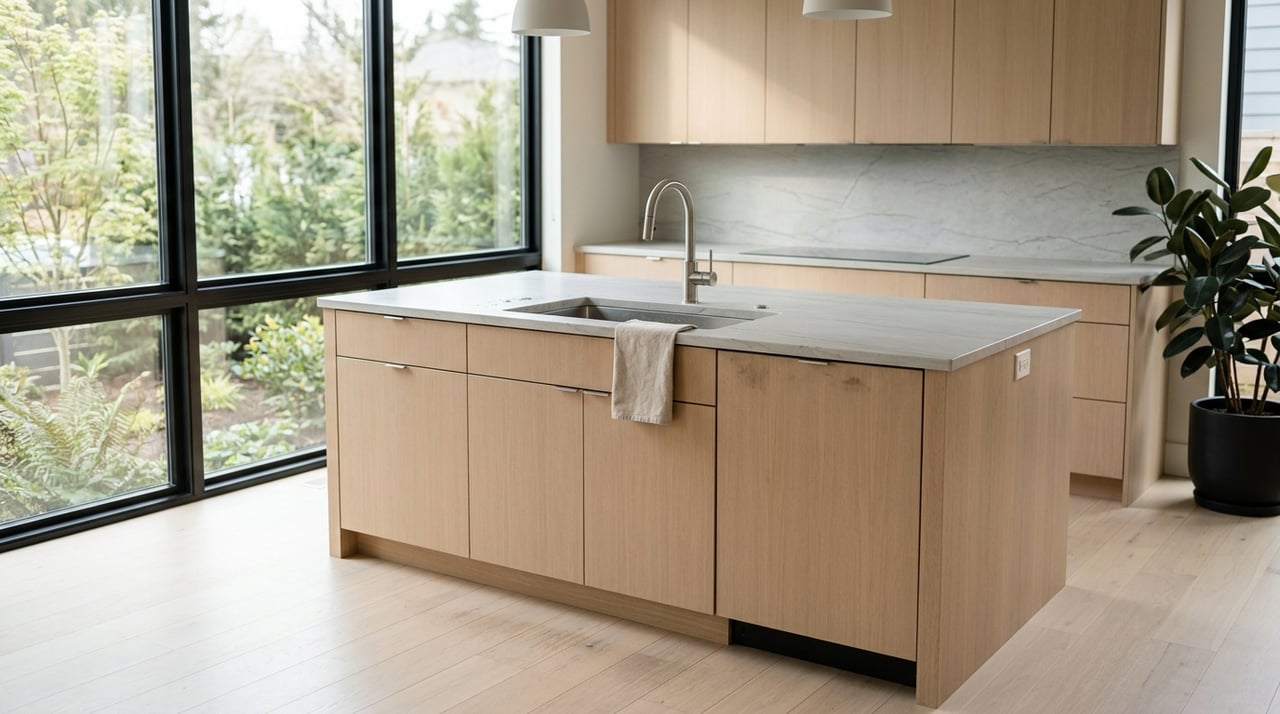
Once the major repair questions are addressed, shift to presentation. This is one of the most effective parts of seller preparation because it helps buyers focus on the home itself.
According to NAR’s 2025 staging report, 83% of buyers’ agents said staging made it easier for buyers to visualize a future home. Sellers’ agents most often recommended decluttering, deep cleaning, and improving curb appeal.
You do not need to make your home look impersonal. You do want it to feel open, well cared for, and easy to understand the moment someone walks in.
Focus on these basics:
- Remove excess furniture that makes rooms feel smaller
- Clear kitchen and bathroom counters
- Store personal photos and highly specific decor
- Simplify closets and storage spaces
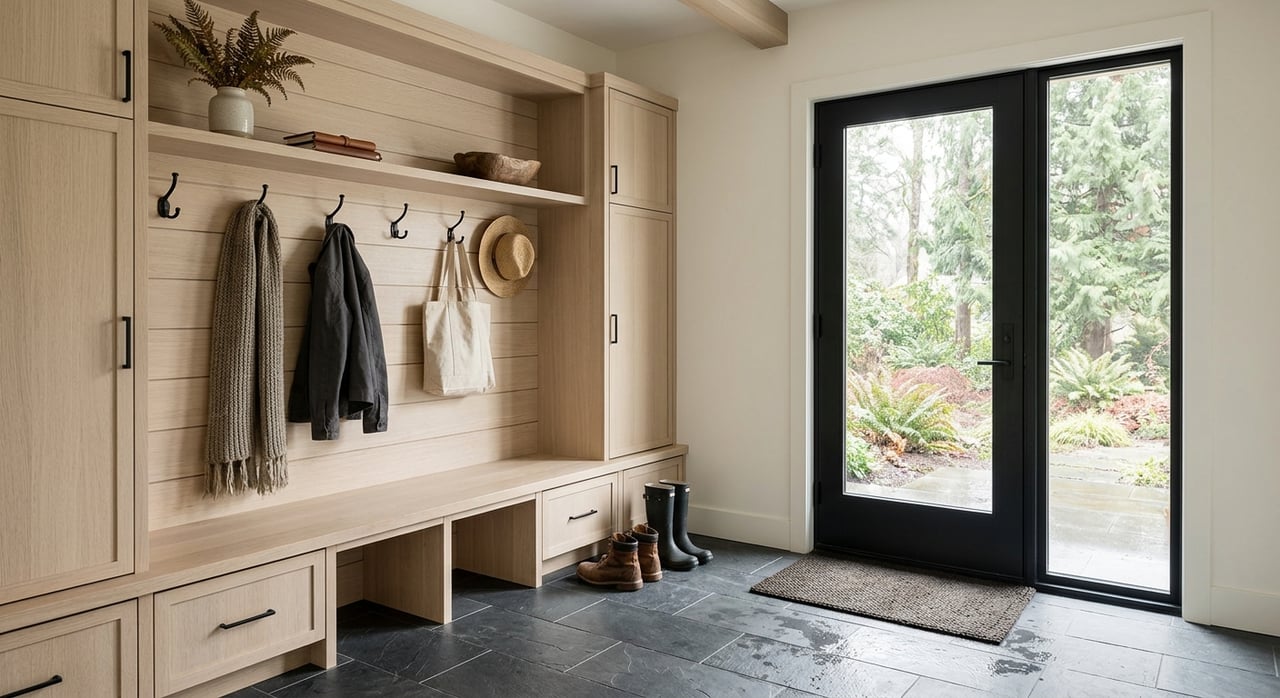
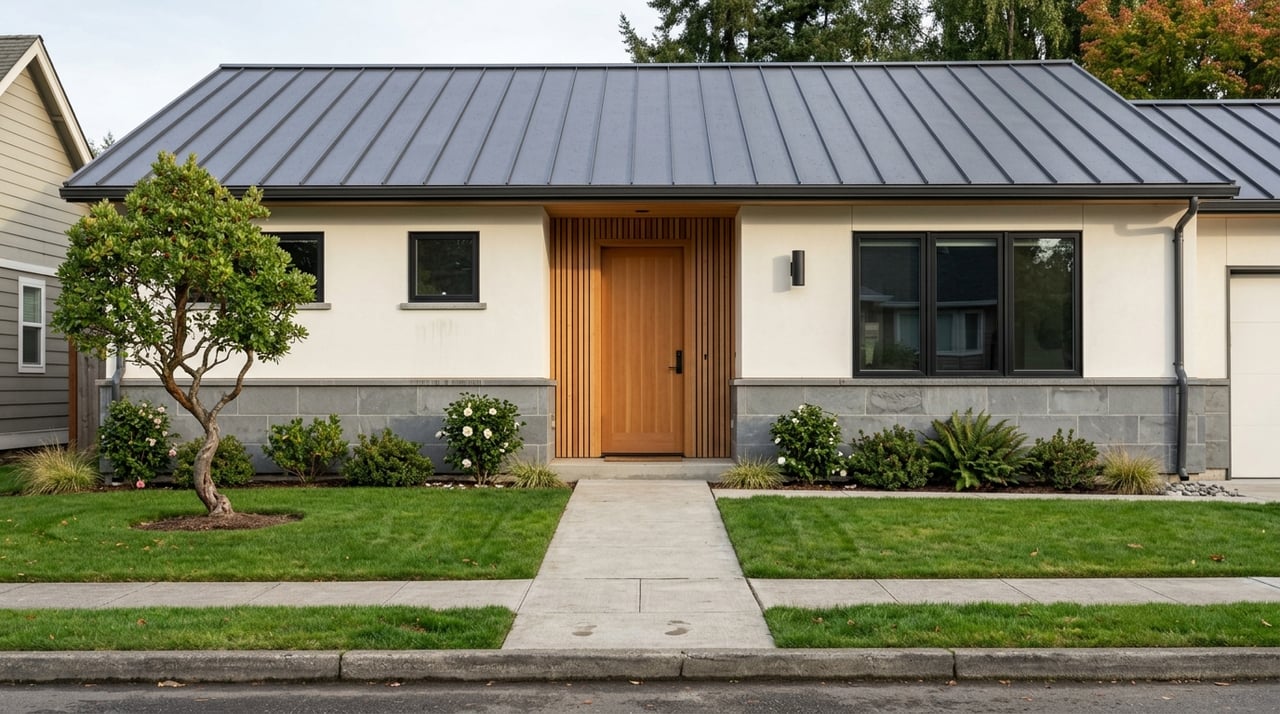
- Freshen the front entry and outdoor approach
- Deep clean floors, windows, kitchens, and baths
In many homes, the biggest transformation comes from subtraction, not spending. When spaces feel lighter and more open, buyers can better picture how they would live there.
Step 3: Stage the rooms that matter most
If your budget is limited, you do not have to stage every room. A selective approach can still have a strong impact.
NAR found that the living room, primary bedroom, dining room, and kitchen were the most commonly staged rooms. If you are deciding where to focus time and money, start there.
That is especially useful in Anacortes, where many buyers are comparing listings online before deciding what to see in person. A well-staged main living area or a calm, clean primary bedroom can shape first impressions quickly.
Staging costs also vary more than many sellers expect. NAR reported a median cost of $1,500 for a professional staging service, while agent-handled staging had a median cost of $500.
That range matters because good preparation does not always require a major budget. Sometimes a few thoughtful furniture adjustments, clean styling, and focused room prep are enough to improve how the home shows.
Step 4: Prepare for photos like they are the first showing
For most buyers, the first showing happens online. That makes photography a core part of your listing strategy, not a last-minute item.
NAR reported that buyers’ agents rated listing photos as important more often than physical staging, video, or virtual tours. In other words, strong photos are one of the biggest drivers of early interest.
Treat photo day like a launch event. Make sure the home is fully ready before the camera arrives.
Photo-day prep priorities
- Finish repairs first
- Complete deep cleaning
- Remove visual clutter
- Open blinds and shades as appropriate
- Turn on lighting for a bright, even look
- Store pet items, cords, and small countertop appliances
- Make the main living spaces, kitchen, and primary bath feel polished
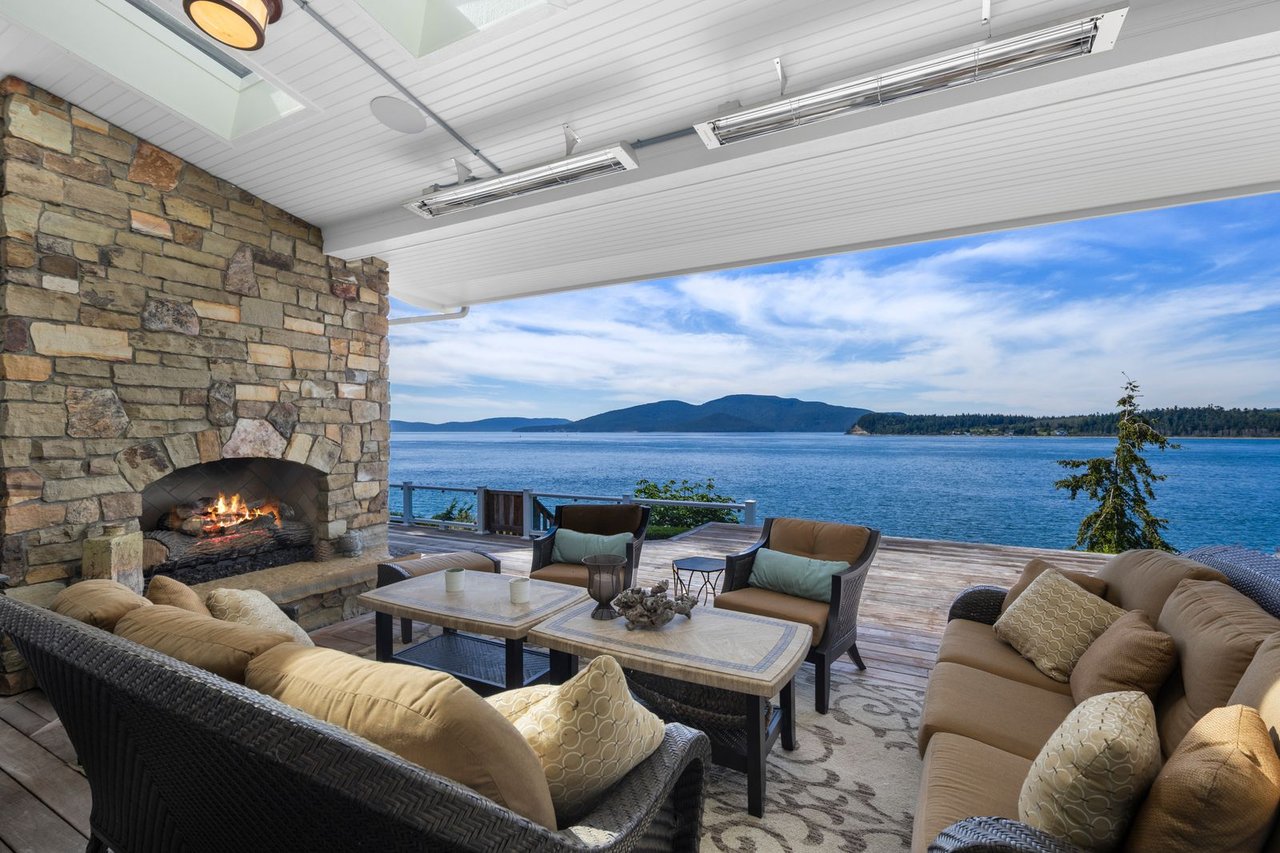
If your home has view features, outdoor living areas, or water proximity, those details should also be presented clearly and cleanly. In a visual market, polished marketing can help your home stand out.
Step 5: Price from today’s competition
One of the hardest parts of selling is setting expectations around price. It is natural to remember the strongest market moments, but pricing should reflect current competition, not old peak assumptions.
In March 2026, Anacortes had a median sale price of $739,640. Skagit County’s median was $610,000. Those numbers provide context, but your pricing strategy should be based on current comparable listings, current pending sales, and the condition and presentation of your home.
This is especially important in a market where inventory is rising and homes are taking longer to sell. If buyers have more choices, pricing too high can reduce momentum early, when your listing is most visible.
A confident launch is usually a prepared launch. That means repairs, cleaning, staging, photography, pricing, and paperwork should all be aligned before the home hits the market.
Step 6: Organize disclosures early
Paperwork may not be the most exciting part of listing, but it is one of the most important. Washington sellers of improved residential real property generally must complete a seller disclosure statement unless the buyer waives it or the transfer is exempt.
Under Washington law, the disclosure statement must be delivered no later than five business days after mutual acceptance of a written purchase agreement unless otherwise agreed. Buyers generally then have three business days to accept or rescind after receiving the statement.
The form covers more than condition questions. It also asks about items such as title authority, easements, boundary disputes, assessments, zoning issues, surveys, and covenants or restrictions.
That is why early organization matters. If you gather your documents before listing, you can answer more accurately and avoid a last-minute scramble.
Documents worth pulling together early
- Prior permits and records of completed work
- Utility or system service records
- Survey information, if available
- HOA or community documents, if applicable
- Known easement or boundary information
- Assessment or zoning notices, if any
Washington law also requires an amended disclosure if you later learn new information or an adverse change makes the original disclosure inaccurate. If the issue is not corrected at least three business days before closing, the buyer may have a rescission right after receiving the amended statement.
This is another reason a methodical plan builds confidence. It helps you stay accurate, responsive, and prepared from list date through closing.
Step 7: Check lead-based paint rules if needed
If your home was built before 1978, gather lead-related paperwork early. Federal law requires sellers of applicable homes to disclose known lead-based paint hazards, provide the EPA/HUD lead pamphlet, and give buyers the opportunity for an independent lead inspection before they become obligated under contract.
This is easy to overlook when you are juggling repairs, moving pieces, and timing. Pulling those documents together early can help the transaction move more smoothly.
Why preparation creates confidence
In a market like today’s Anacortes market, confidence usually comes from clarity. When you know what needs attention, what can stay as-is, how the home will look online, and what paperwork is required, the process feels more manageable.
Preparation can also improve your position in practical ways. NAR reported that 29% of agents saw a 1% to 10% increase in offered value from staging, and 49% observed reduced time on market.
No strategy can control every outcome, but a polished launch can help you compete more effectively. It reduces surprises, supports stronger marketing, and helps you enter the market with realistic expectations.
If you are preparing to sell in Anacortes, a calm, step-by-step approach can make the process feel far less overwhelming. And when you have experienced local guidance, it is easier to focus on the updates that matter most, avoid unnecessary work, and move forward with a plan that fits your home and your timing.
When you are ready for thoughtful seller prep, pricing guidance, and polished marketing support in Anacortes, connect with Taby Perron.
FAQs
What should I fix before listing a home in Anacortes?
- Start with safety issues, functional problems, and repair items that could raise buyer concerns during showings or inspection. Also review whether any past or planned work may require permits under City of Anacortes rules.
Do I need to stage the whole house before listing in Anacortes?
- No. If you want to be selective, focus first on the living room, primary bedroom, dining room, and kitchen, since those are the rooms most commonly staged according to NAR.
Why is timing important when listing a home in Anacortes?
- Anacortes homes were taking a median 62 days to sell in March 2026, and Skagit County inventory was up year over year. That makes it more important to launch only after the home is fully prepared.
What disclosures do Washington home sellers need to prepare?
- Washington sellers of improved residential real property generally need to complete a seller disclosure statement unless an exemption applies or the buyer waives it. The form includes questions about condition, title-related issues, easements, assessments, zoning, surveys, and restrictions.
What if my Washington seller disclosure changes before closing?
- If you learn new information or an adverse change makes the disclosure inaccurate, Washington law requires an amendment. Timing matters, so it is smart to stay organized throughout the transaction.
What if my Anacortes home was built before 1978?
- You should gather lead-based paint documentation early. Federal rules require disclosure of known lead-based paint hazards, delivery of the lead information pamphlet, and an opportunity for the buyer to conduct an independent lead inspection before contract obligation.